For many writers, finishing a book feels like the hardest part of the publishing journey. In reality, one of the most important steps happens after the book is written: building an author platform.
A professional author website acts as your online headquarters. It’s where readers learn about you, explore your books, join your mailing list, and ultimately decide whether to buy your work.
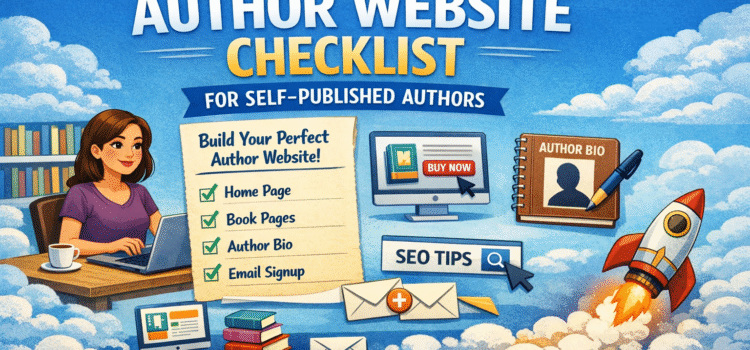
If you’re serious about building a long-term writing career, having a strong website is essential. Below is a practical checklist every self-published author can use to build a website that supports their book marketing strategy.
Why Every Author Needs a Website
Social media platforms come and go, algorithms change, and accounts can disappear overnight. Your website is the one digital space that you truly control.
A strong author website can help you:
- establish credibility as a writer
- provide a central hub for all your books
- collect email subscribers
- improve discoverability through search engines
- create a stronger connection with readers
In fact, a well-built website is often the foundation for successfully promoting your book. If you want a deeper look at book marketing strategies, you can read this detailed guide on how to market a self-published book:
👉 https://pubvertise.com/how-to-market-a-self-published-book/
Essential Pages Every Author Website Needs
Many author websites fail because they lack structure. The following pages form the backbone of an effective site.
1. A Clear Homepage
Your homepage should quickly answer three questions:
- Who are you?
- What kind of books do you write?
- Where can readers buy your books?
Visitors should immediately understand what you offer. Avoid clutter and focus on clear messaging.
A strong homepage usually includes:
- your author name and tagline
- a featured book or latest release
- a short author introduction
- links to purchase your books
The goal is to guide visitors toward your books as quickly as possible.
2. A Dedicated Book Page
Each book you publish should have its own page. This allows you to provide more information and gives search engines more content to index.
A good book page typically includes:
- the book cover
- a compelling book description
- reviews or endorsements
- purchase links to major retailers
- sample chapters or previews
This page acts as your book’s sales page and should be designed to encourage readers to click through to purchase.
3. An Author Bio Page
Readers often want to learn about the person behind the book. Your author bio page should include:
- your background or writing journey
- why you write your genre or topic
- any relevant experience
- a professional author photo
Keep it authentic and relatable. Readers connect with stories, so don’t be afraid to share what inspired your work.
4. An Email Signup Form
Email marketing remains one of the most effective tools for authors.
An email list allows you to:
- announce new releases
- promote book launches
- share updates with loyal readers
- build a long-term audience
Even a small list can make a big difference when launching a new book.
Consider offering a free incentive such as:
- a bonus chapter
- a short story
- a downloadable guide
This encourages readers to subscribe.
5. A Contact Page
Your website should make it easy for readers, reviewers, and media contacts to reach you.
A contact page should include:
- a contact form
- your social media links
- business inquiries or press contact information
This page can also create opportunities for podcast interviews, speaking events, and collaborations.
Design Elements That Make an Author Website Look Professional
Content is important, but design also plays a role in building credibility.
When creating an author website, make sure to include:
- a clean, easy-to-read layout
- high-quality images
- consistent branding
- mobile-friendly design
- clear navigation menus
A website that looks outdated or confusing can reduce reader trust.
SEO Tips for Author Websites
Search engine optimization can help readers discover your books through Google searches.
Here are a few simple SEO strategies authors can implement:
Use descriptive page titles
Example:
“Fantasy Author Jane Smith | Epic Fantasy Books”
Write detailed book descriptions
Longer descriptions give search engines more context about your book.
Start a blog
Blog posts allow you to target search queries readers are already looking for.
Link related content together
For example, if your blog discusses book promotion strategies, you can link to a more detailed resource like this guide on how to market a self-published book:
👉 https://pubvertise.com/how-to-market-a-self-published-book/
Internal links like this help both readers and search engines navigate your site more effectively.
Should Authors Build Their Website Themselves?
Some authors enjoy building their own websites, while others prefer professional help. Both options can work depending on your experience level and available time.
However, if your goal is to present your books professionally and maximize your marketing potential, a professionally designed site can often save time and improve results.
Services like Pubvertise specialize in helping authors create websites designed specifically for book promotion and reader engagement.
Final Thoughts
An author website is more than just a digital business card. When built correctly, it becomes the central hub of your marketing efforts and a powerful tool for connecting with readers.
If you’re working on growing your audience or planning a book launch, building a strong website is one of the best investments you can make in your writing career.
And if you’re looking for more strategies beyond website design, you can explore this in-depth guide on how to market a self-published book:
👉 https://pubvertise.com/how-to-market-a-self-published-book/
Learning how marketing, reviews, and Amazon optimization work together can dramatically improve the visibility of your book.